African boxthorn (Lycium ferocissimum) is one of the most invasive and damaging weeds threatening the region’s environment, agriculture, and biodiversity.
Parkes Shire Council is calling on residents to be vigilant in identifying and reporting African boxthorn (Lycium ferocissimum), one of the most invasive and damaging weeds threatening the region’s environment, agriculture, and biodiversity.
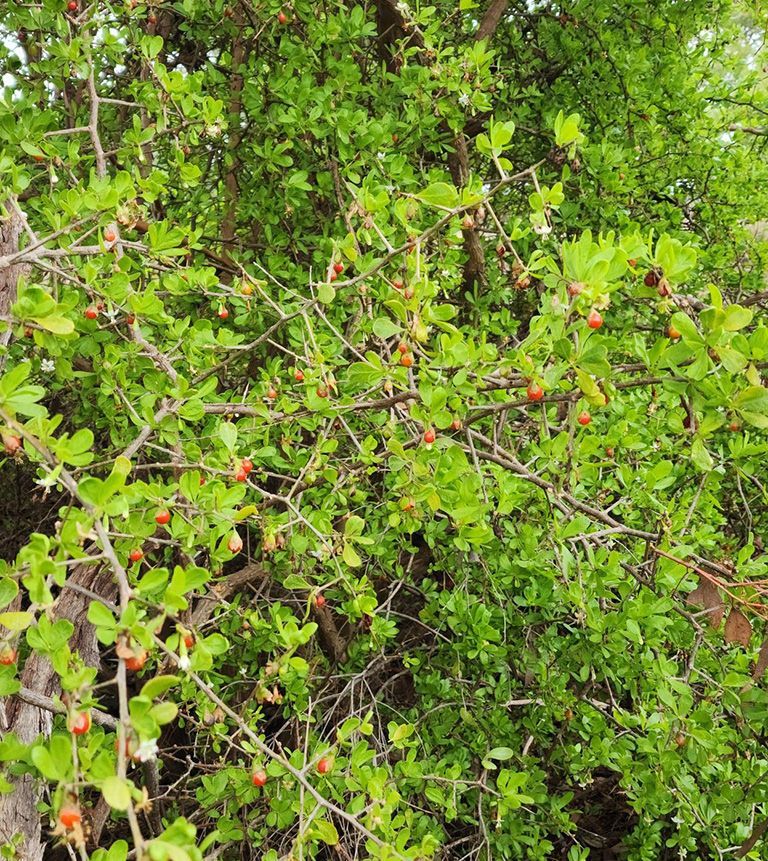
Native to southern Africa and introduced to Australia in the mid-1800s, African boxthorn has become a widespread and destructive pest species. It forms dense, thorny thickets that can reach up to five metres in height, hindering access for both livestock and people, outcompeting native plants, degrading bushland, and providing shelter for invasive animals such as rabbits and foxes.
Michael Chambers, Environment and Sustainability Manager at Parkes Shire Council said “This plant is extremely versatile and thrives in a wide range of climates and ecosystems.”
“African boxthorn is one of the worst weeds in Australia due to its invasiveness and the serious economic and environmental impacts it causes.”
African boxthorn is a listed Weed of National Significance (WONS) and is considered a Priority Weed in New South Wales. It reduces agricultural productivity, is toxic to humans and animals, and spreads rapidly through birds, water, vehicles, and dumped garden waste.
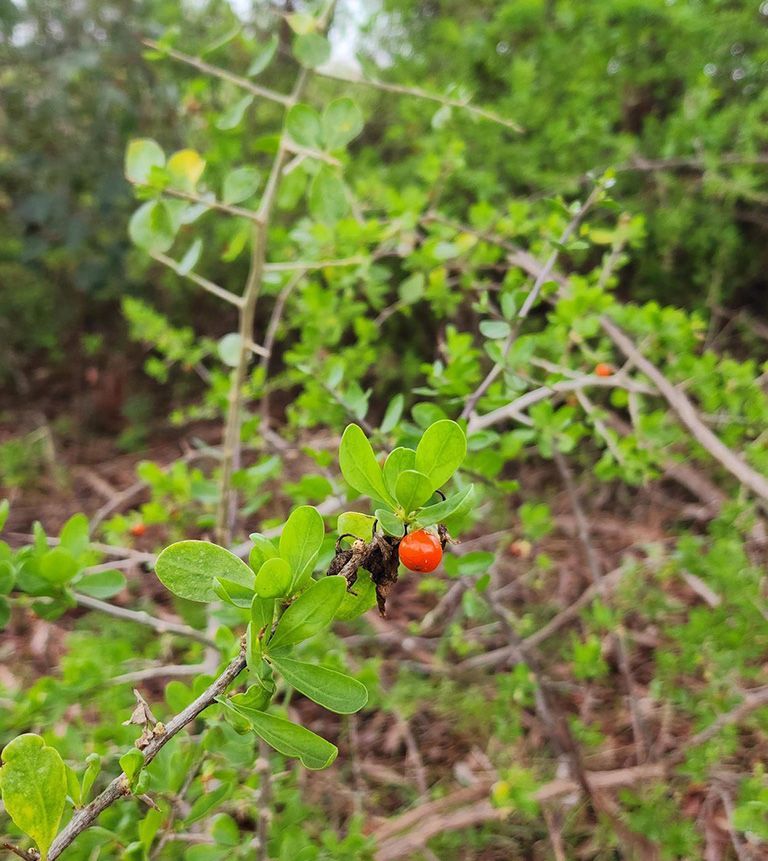
The plant is easily identified by its pale lilac to white tubular flowers with purple blotches, bright green teardrop-shaped leaves, and small orange to red berries about one centimetre in diameter.
“We’re here to support the community in managing this weed, but lasting success depends on all of us working together,” Mr Chambers added.
Residents are urged to report any sightings of African boxthorn, especially along roadsides, creek lines, and public reserves.
For assistance with weed identification, contact Council’s Biosecurity Team on 02 6861 2343. For information, visit https://www.parkes.nsw.gov.au/Services/Biosecurity.