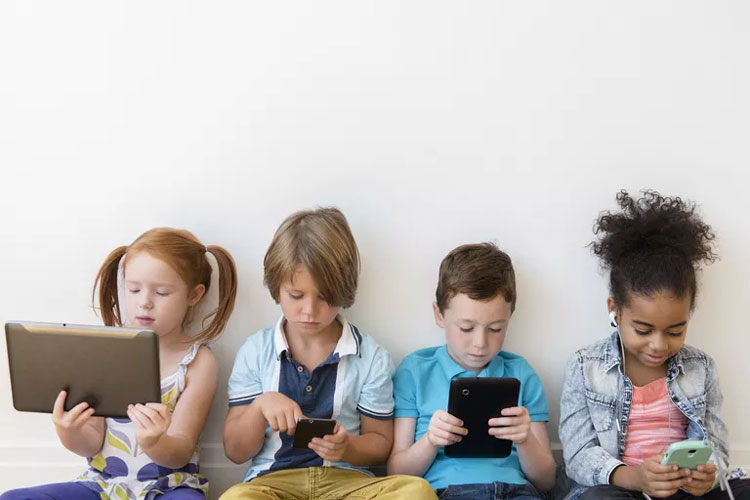

There is strong scientific evidence excessive computer and screen use is associated with a greater risk of developing short-sightedness, as well as increased symptoms of eyestrain, headaches, blurred vision, dry eyes, and neck and shoulder pain, due to our eyes focusing and aiming close-up for very long periods. When your child is reading from electronic devices it requires more effort and is more fatiguing than from hard copy such as books.
The Australasian College of Behavioural Optometrists (ACBO) recommends the following guidelines for screen time.
0 – 2 Years: None, with the possible exception of live video-chatting (like Skype, Facetime) with parental support, due to its potential for social development.
2 -5 Years: one hour per day or less. Programming should be age-appropriate, educational, high quality, and co-viewed, and should be discussed with the child to provide context. Excessive screen time before the age of five may cause delays in development, cognitive delays and poorer academic performance.
5 – 18 Years: 2 hours per day or less. Ideally recreational screen time should be limited. Individual screen time should be considered based on their development and needs. Children who spend more time outdoors are less likely to be, or to become myopic (short sighted), irrespective of how much near work they do, or whether their parents are myopic. Outdoor time has a significant protective effect against developing some types of myopia.
Most studies on the effects of screen time in children indicate that the odds of visual symptoms increase after two to four hours of use. Contact Eyecare Plus Parkes on 6863 5577 for all your eye care.