• Home
  • Articles
    • Front Page
    • General Interest
    • Special Interests
    • Snippets
    • Mayoral Notes
    • Letters to the Editor
  • Our Community
    • Our People
    • Question of the Week
    • Jobs in the Central West
    • Be Seen
    • What’s On
  • Special Interests
    • Women In Business
    • Rural Round Up
    • My Place
    • Health & Wellbeing
    • Loving Local Living
    • Just a Short Drive
    • Real Estate
  • Sports
    • Bowls
    • Cricket
    • Equestrian
    • Footy Tips
    • Golf
    • Netball
    • Rugby League
    • Rugby Union
    • Soccer
    • Touch Football
  • Classifieds
  • Competitions
  • Contact Us
    • Contact Page
    • Advertise with us
    • Testimonials
    • Submit an Article
    • Subscribe to the Parkes Phoenix

Parkes Phoenix

How Much Screen Time Per Day?

July 16, 2021 By Maggi Barnard

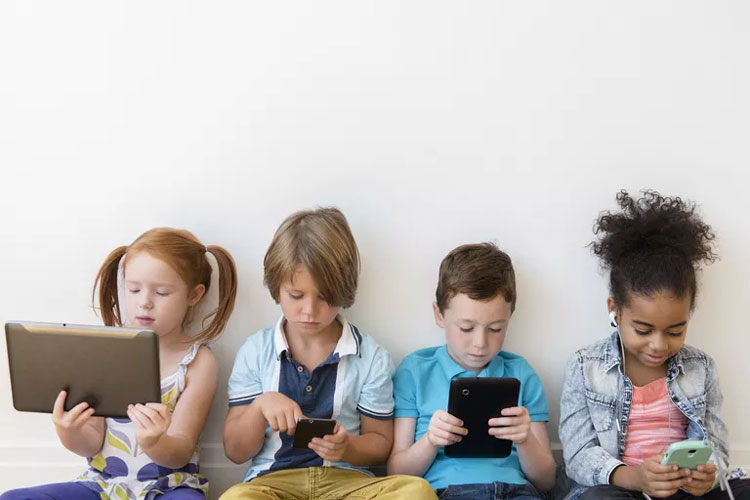
There is strong scientific evidence excessive computer and screen use is associated with a greater risk of developing short-sightedness, as well as increased symptoms of eyestrain, headaches, blurred vision, dry eyes, and neck and shoulder pain, due to our eyes focusing and aiming close-up for very long periods. When your child is reading from electronic devices it requires more effort and is more fatiguing than from hard copy such as books.

The Australasian College of Behavioural Optometrists (ACBO) recommends the following guidelines for screen time.

0 – 2 Years: None, with the possible exception of live video-chatting (like Skype, Facetime) with parental support, due to its potential for social development.

2 -5 Years: one hour per day or less. Programming should be age-appropriate, educational, high quality, and co-viewed, and should be discussed with the child to provide context. Excessive screen time before the age of five may cause delays in development, cognitive delays and poorer academic performance.

5 – 18 Years: 2 hours per day or less. Ideally recreational screen time should be limited. Individual screen time should be considered based on their development and needs. Children who spend more time outdoors are less likely to be, or to become myopic (short sighted), irrespective of how much near work they do, or whether their parents are myopic. Outdoor time has a significant protective effect against developing some types of myopia.

Most studies on the effects of screen time in children indicate that the odds of visual symptoms increase after two to four hours of use. Contact Eyecare Plus Parkes on 6863 5577 for all your eye care.

Filed Under: Articles, General Interest, Health & Wellbeing

Click here to download the recent issue (204) of The Forbes & Parkes Phoenix (2.1MB PDF) – 28th August 2026

SEARCH THE PHOENIX

STAY CONNECTED

The Parkes Phoenix would like to thank you, our Facebook friends, for your continued support and readership!

Phoenix Office
7/113-127 Rankin Street, Forbes NSW 2871

Editor
0432 337 278
editor@parkesphoenix.com.au

Sales
0432 337 278
sales@parkesphoenix.com.au

View our Privacy Policy.
View our Conflict Resolution Process.
View our Ethics and Complaints Policy.
Want to advertise with us?
Information on our Community Promotions.

We are always looking for new articles of interest to the local community.

Please feel free to submit an article for possible inclusion in a future issue.

To submit an article, click here to use our online article submission form.

Subscribe

* indicates required

Copyright © 2026 · Magazine Pro Theme On Genesis Framework · WordPress · Log in

nsw government logo

The Parkes Phoenix's Digital Diversification of Free Regional Media project is proudly funded by the NSW Government Regional Media Fund

Go to mobile version