• Home
  • Articles
    • Front Page
    • General Interest
    • Special Interests
    • Snippets
    • Council Comments
    • Letters to the Editor
  • Our Community
    • Our People
    • Question of the Week
    • Jobs in the Central West
    • Be Seen
    • What’s On
  • Special Interests
    • Women In Business
    • Rural Round Up
    • My Place
    • Health & Wellbeing
    • Loving Local Living
    • Just a Short Drive
    • Real Estate
  • Sports
    • Bowls
    • Cricket
    • Equestrian
    • Footy Tips
    • Golf
    • Netball
    • Rugby League
    • Rugby Union
    • Soccer
    • Touch Football
  • Classifieds
  • Competitions
  • Contact Us
    • Contact Page
    • Advertise with us
    • Testimonials
    • Submit an Article
    • Subscribe to the Parkes Phoenix

Parkes Phoenix

Babies, Books And Brains

March 18, 2022 By Maggi Barnard

QUE Club members learned about how a baby’s brain grows in utero, and then continues to grow rapidly during the first three to four years of life.

In her presentation to our club’s monthly meeting the Executive Director of Paint the Town REaD (PTTR) Barbie Bates OAM said the first 1,000 days of a child’s life shaped their development and wellbeing. The biggest growth of a baby’s brain is from birth to 12 months/2yrs old.

Barbie said that was why reading, talking, singing, drawing, playing with children every day from birth supported their early brain development and prepared them for reading and writing at school.

Barbie reminded us that the birthplace of Paint the Town REaD was in Parkes, and that there were amazing developments and initiatives which continued to spread the word, for example: This year it is expected that 100 towns in all six states will participate in Paint the Town REaD; ‘Books for Bubs in Preemie Wards’ – so parents, who can’t hold their preemie, can read to their baby and establish a bond; Chief Inspector of Blacktown Police station places pre-loved books in the waiting room and in every patrol car because he noticed this helped children’s stress levels drop; a study at Western Sydney University had second trimester mums read a book to their babies for a week, they then placed a foetal heart monitor on while the mums read a different book, and they found the heart rate increased. In utero, babies react!

Our QUE Club continues to provide new books to every newborn baby in Parkes. We also contribute annually to early childhood development by supporting hearing and speech assessments. Several local schools have better learning environments because of the Soundfield systems we have donated to school classrooms.

By Lynn Rogers

Free Mental Health First Aid Courses

March 18, 2022 By Maggi Barnard

The Parkes Rotary Club will be sponsoring free Mental Health First Aid Courses at Parkes, Forbes and Tullamore over the next two months.

The courses teach people simple, practical first aid skills for helping someone who is experiencing mental health problems, and will be presented by Phil Worrad, Rural Mental Health Coordinator for the Rural Adversity Mental Health Program.

Participants will learn the signs and symptoms of common and disabling mental health issues in adults, how to provide initial help, where and how to get professional help, and how to provide first aid in a crisis situation. It will cover topics such as depression, anxiety, suicidality, psychosis and the misuse of drugs and alcohol.

“Drought, floods, mice plagues, bushfires and now the rising cost of living are having a severe impact on the mental health of rural communities,” said Robert Shore, President of Parkes Rotary. “There is a need for courses like these so people can continue helping each other.

“I have spoken to people who have done this course previously and they all say it is excellent,” he said. “One teacher said it was the best, most useful professional development she has ever done.”

According to Robert the course is educational in learning how to assist others as a first responder, and not a therapeutic or support group.

Each course is run over two days, from 9am to 4 pm and is open to community members over 18 years of age.

The Rotary Club was successful in gaining a grant from the Rotary Drought Relief scheme to run the courses in Parkes on 2nd and 3rd April, Forbes on 7th and 8th May, and in Tullamore on 21st and 22nd May.

To register ring Robert on 0427 627244 or see Charlie at the Parkes Coffee Pot.

World Glaucoma Week 6-12 March

March 4, 2022 By Maggi Barnard

World Glaucoma Week aims to raise awareness of glaucoma, a disease that irreversibly takes away your peripheral vision and if left untreated can cause blindness.

The Silent Thief of Sight

If you currently have glaucoma, you may not know it. In fact, half of all people who have developed glaucoma are unaware they have the condition, there is no pain, discomfort and your central vision is unaffected in the early stages of the disease. It is not until significant peripheral vision loss has occurred that people notice they have glaucoma, which by then is too late.

Who Gets Glaucoma?

Two out of every 100 Australians will develop glaucoma, however you are ten times more likely if you have a direct relative that suffers from it.

Other risk factors include diabetes, migraines, over 50 years of age, a strong glasses prescription and a history of high or low blood pressure.

Treatment for Glaucoma

Treatment is mainly aimed at reducing the pressure inside the eye. This is commonly achieved with eye drops but can also be done with the use of lasers and surgery.

Treatment does not cure glaucoma or reverse any vision loss, however it does significantly slow the disease process down. For this reason, in order to reduce permanent vision loss, early detection and treatment for glaucoma is vital.

Everyone over 40 years of age should have a comprehensive eye examination to rule out glaucoma, particularly if you have a greater risk for the disease.

For more information visit our website at www.hansenoptom.com.au or www.glaucoma.org.au

Digital Eye Strain

February 18, 2022 By Maggi Barnard

Digital eye strain is the physical discomfort felt after prolonged time in front of digital screens.

Did you know the average adult:

• Looks at, at least three different digital screens every day.
• Looks at their smartphone or iPad up to 60 times per day.
• Spends at least 12 hours a day consuming some form of media from a digital screen.

So, it is no surprise that staring at screens throughout the day can be hard on your eyes and may cause digital eye strain — even if you don’t currently wear glasses. Because screens are small, bright and we spend a lot of time staring at them, they make our eyes work hard.

Here are some of the most common conditions you can experience by staring at screens for too long:

Dry Eyes – when you look at something up close (eg your smartphone) you reduce your blink rate, which can cause dry irritated eyes.

Eye Strain – also known as ‘eye fatigue’ – can cause headaches, red, irritated eyes and neck or back pain.

Headaches – usually frontal (across the top of head) or to the temples (side of head) after prolonged close work.

How to protect yourself:

Good Visual Hygiene – take frequent breaks; watch your working distance and good lighting.

Protect your eyes against harmful blue light radiation from digital screens.

Use specialised lenses called anti-fatigue for all device use.

If you want to know more or have any eye-related problems, pop into Eyecare Plus Parkes at 267A Clarinda Street or call 6863 5577.

Calling All Cancer Travellers

February 18, 2022 By Maggi Barnard

COVID-19 has turned the world upside down. We have had an epidemic, leading to the pandemic, then Delta, Omicron and now we are told there is the ‘son of the Omicron’!

Let us not downplay the seriousness and tragedy of this epidemic, however, because of the epidemic, many other medical issues of concern have been more or less pushed into the background. I refer, in particular, to cancer. Like other illnesses, cancer has played its usual part in impinging on people’s lives. Sometimes the results are as devastating as the virus.

People, men and women are still suffering from cancers of all kinds and living with and dying from, its effects. This is true, but you do not have to travel the journey alone. When you are told that you have cancer, you need someone to support you, someone you can talk to. The family also needs support. Your doctor and specialist will provide you with the medical help and advice, but you may need more than that. There is also the emotional side of the journey.

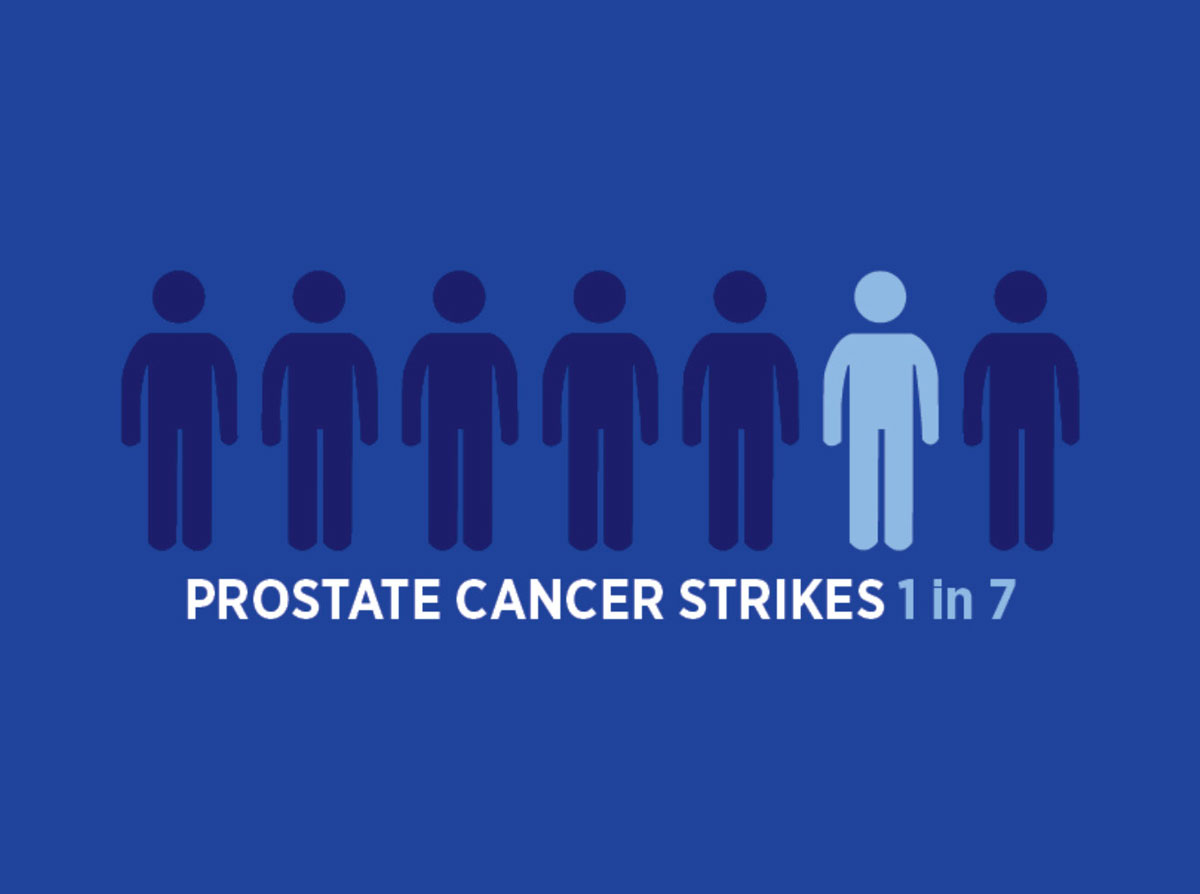
The Parkes Prostate Cancer Awareness and Support Group was formed to do just that. This group have met on a regular basis over the past few years to support men, and their families, suffering from prostate cancer. Those who have come, have never regretted the time spent together.

Over the years, the group has opened their meetings to any person travelling the “cancer road”. We do not give any medical advice. We simply share our stories and support each other emotionally. We provide appropriate approved and published medical information, suggest other cancer groups and services that may be able to help and strive to make people aware of the need to follow up any concerns they may have with their GP. We are affiliated with the Prostate Cancer Foundation of Australia, an organisation which endeavours to support further research, find new forms of treatment and supports local groups, such as the Parkes Prostate Cancer Support and Awareness Group.

The Group meet every fourth Tuesday of each month at Parkes Neighbourhood Central at 7pm. You and your support family or person, are very welcome, no matter what cancer road you may be travelling.

By Michael Lynch

Vaccination Still Best Defence Against COVID-19

February 4, 2022 By Maggi Barnard

Deputy Prime Minister and Member for Riverina Michael McCormack

It has been a tough few years and all Central West residents have been affected in some way.

Whether it be our primary producers recovering from the effects of drought, to floods and storms threatening homes and farmland and, of course, the COVID-19 pandemic, we have all faced significant adversity and, in a show of typical regional Australian community spirit, we have stood tall to be our best selves against these challenges.

Australia can be proud that it is one of the most vaccinated countries when it comes to COVID-19. The fact remains, despite new variants, vaccination remains our best defence against this virus.

The good news is the scientific data suggests Omicron is less severe than previous variants, but it is much more transmissible, which is why we need to continue doing the right things to keep safe the more vulnerable in our community – practising social distancing, wearing masks when appropriate and getting the COVID-19 jab.

Whether you have rolled up your sleeve twice or you have become eligible recently, such as those in the five to 11-year-old age category, your efforts to continue to protect your community through getting the booster or getting your first jab are to be commended – you are saving lives and protecting livelihoods in your local community. Thank you.

We all want to get back as quickly as we can to the way our lifestyles were before the pandemic – the vaccine is helping us do just that.

You can go to www.health.gov.au to find the nearest available COVID-19 vaccine clinic and to book your vaccination.

By Michael McCormack
Member for Riverina

What Is Amblyopia?

January 28, 2022 By Maggi Barnard

Amblyopia (or lazy eye) is where the eyesight in one eye is worse than in the other and that correcting the eyesight (with spectacles or contact lenses) does not improve the vision.

The three most common causes of Amblyopia are:

  1. A large refractive error in one or both eyes.
  2. Congenital cataracts.
  3. An eye turn.

Generally, the patient experiences no symptoms apart from the possible awareness of poor eyesight in that eye when they cover up the good eye.

Treatment

  1. Remove the cause of the amblyopia. Correct any refractive error with spectacles/contact lenses, remove any cataract or treat the eye turn. This may restore the eyesight without any further treatment required.
  2. Start visual therapy. Most people with amblyopia need visual therapy as well as treating the underlying cause. Once any refractive error is compensated the amblyopic eye will be receiving a clear normal image. The eyesight however may still be poor because the brain is still ignoring or suppressing the image from the amblyopic eye just like it did prior to treatment. Visual therapy, including patching the good eye, is undertaken to stimulate the brain to pay attention to the amblyopic eye.

In reality amblyopia is not so much about the ‘lazy eye’ but rather the brain (visual cortex) having learnt to turn off (suppress) the blurry picture from the amblyopic eye so that it does not interfere with the picture from the good eye.

Research has shown that the younger we treat amblyopia the more likely we are to restore normal eyesight.

In those cases where the amblyopia is due to an eye turn, the amblyopia has to be treated before the eye turn can be treated.

It takes between three to six months of visual therapy to achieve the above goals. The visual therapy will need to be monitored every two to four weeks.

In severe cases, normal eyesight may not be fully achieved or will take longer.

Once cured the spectacle correction may still be required to ensure the amblyopia does not return.

If patching is required it need to be done for a minimum of two hours per day at home while doing assigned visual therapy activities.

What Is Visual Hygiene?

December 10, 2021 By Maggi Barnard

Good visual habits can reduce eye stress and reduce the likelihood of adverse visual adaptations.

• Take regular breaks during study and other sustained close work. Place a bookmark three of four pages in front of where you are reading. When you get to it, it will remind you to look up at something in the distance.

• Make sure you do not get too close to your work. You should not be any closer than the distance between your knuckle to elbow when placed against your nose.

• Good lighting for all near work is important. For maximum efficiency, use general lighting in the room so you can see distance objects easily when you look up.

• Good posture ensures that you are at that knuckle to elbow distance from your near work. Avoid reading in bed or on the floor. Sit up to read.

• Tilt your book and work surface whenever possible to achieve its presentation parallel to your face.

• Do not sit any closer to the TV than five times the screen width or two of the child’s body lengths. Use adequate room lighting.

• Off-set high demand tasks with outdoor games requiring adequate distance viewing, such as golf, tennis and bike riding.

• Restrict close work and reading during acute illness.

• Avoid reading and other sustained near activity while travelling by car.

• When writing, a pencil grip using the thumb and the two next fingers enables best manipulation. The grip must allow visual inspection of the paper during performance.

Hansen Eyecare Plus Parkes would like to thank our local district for all the support through yet another year of uncertainty. We wish everyone a safe, healthy and joyful Christmas. We look forward to taking care of all your eye health needs in the coming year.


New Payment Help Women Escape Violent Relationships

October 29, 2021 By Maggi Barnard

The Federal Government has announced a new one-off payment of up to $5,000 to help women establish a life free of violence.

Member for Riverina Michael McCormack has welcomed this saying: “No-one should have to put up with violent relationships and what’s more they should not be condemned to staying in violent relationships because they can’t afford to leave.

“Too often, we hear the experiences of women who desperately want to leave but are literally shackled to violent partners because they don’t have the means to start a new life; they fear they cannot support themselves or their children – and that is not acceptable.”

Under the two-year Escaping Violence Payment trial women will receive financial assistance of up to $1,500 in cash with the remainder available for goods and services or direct payments of bonds, school fees or other support to help establish a safe home.

The UnitingCare Australia Consortium has been selected as the service provider to deliver the payments and will also support women to engage with other relevant services that support women and their children. This includes other Commonwealth or State and Territory government-funded community services.

The Escaping Violence Payment is not considered taxable or reportable income and will not impact on any other social security payments a recipient may be receiving. Eligibility includes financial stress and evidence of domestic violence including, but not limited to, a referral from a family and domestic violence service provider with a risk assessment and safety plan, an AVO, court order or a police report.

Women can apply for the payment through the UnitingCare Network. More information is available at unitingvictas.org.au/escaping-violence-payment

Western NSW Takes Lead For COVID-19 Vaccination

October 29, 2021 By Maggi Barnard

The communities of Western NSW Local Health District (WNSWLHD) have some of the highest COVID-19 vaccination rates in NSW.

The health district’s second-dose vaccination rate for those aged 12-15 was the highest in the state at 68.1% according to the latest data from the Australian Immunisation Register to 24th October. This rate was well above the state-wide figure of 51.3%.

The second dose vaccination rate for those aged over 16 years in WNSWLHD was 87.2%, among the highest of any local health district and also above the overall state figure of 84.1%. WNSWLHD Chief Executive Scott McLachlan said he was extremely proud of both the district’s vaccination team and communities for showing up in such high numbers to receive their COVID-19 vaccines.

“In just the last few months our vaccination teams have visited more than 75 communities, across a geographical area approximately the size of the United Kingdom.

“It’s been an enormous undertaking amidst some really challenging circum-stances, with huge distances, fluctuations in vaccine supply and the strain of the Delta outbreak in our region.”

Scott also acknowledged the efforts of partners in delivering vaccine to Western NSW, particularly the Australian Defence Force (ADF).

Since the first dose of vaccine was administered on 21st March, WNSWLHD have so far given more than 115,000 doses across the district.

Scott said he would like to see the entire district well above 90% fully vaccinated, and asked everyone to please make the effort to get vaccinated.

*Health authorities this week said a spike in COVID-19 cases occurred among people who are not vaccinated in the Central West.

A total of nine infections were detected in Orange earlier this week, spread across two households. More than more than half of the cases are in children.

  • « Previous Page
  • 1
  • …
  • 14
  • 15
  • 16
  • 17
  • 18
  • …
  • 28
  • Next Page »

Click here to download the recent issue (216) of The Forbes & Parkes Phoenix (3.5MB PDF) – 20th November 2026

SEARCH THE PHOENIX

STAY CONNECTED

The Parkes Phoenix would like to thank you, our Facebook friends, for your continued support and readership!

Phoenix Office
7/113-127 Rankin Street, Forbes NSW 2871

Editor
0432 337 278
editor@parkesphoenix.com.au

Sales
0432 337 278
sales@parkesphoenix.com.au

View our Privacy Policy.
View our Conflict Resolution Process.
View our Ethics and Complaints Policy.
Want to advertise with us?
Information on our Community Promotions.

We are always looking for new articles of interest to the local community.

Please feel free to submit an article for possible inclusion in a future issue.

To submit an article, click here to use our online article submission form.

Subscribe

* indicates required

Copyright © 2026 · Magazine Pro Theme On Genesis Framework · WordPress · Log in

nsw government logo

The Parkes Phoenix's Digital Diversification of Free Regional Media project is proudly funded by the NSW Government Regional Media Fund